Whatever the symptom, the route to the right repair runs through a recorded camera inspection. For an active backup, stop using water, keep people and pets away from the affected area, and have the line cleared before anyone talks about repair methods. Slow drains, gurgling, odours and wet patches each point to a likely cause, but only the camera confirms it.
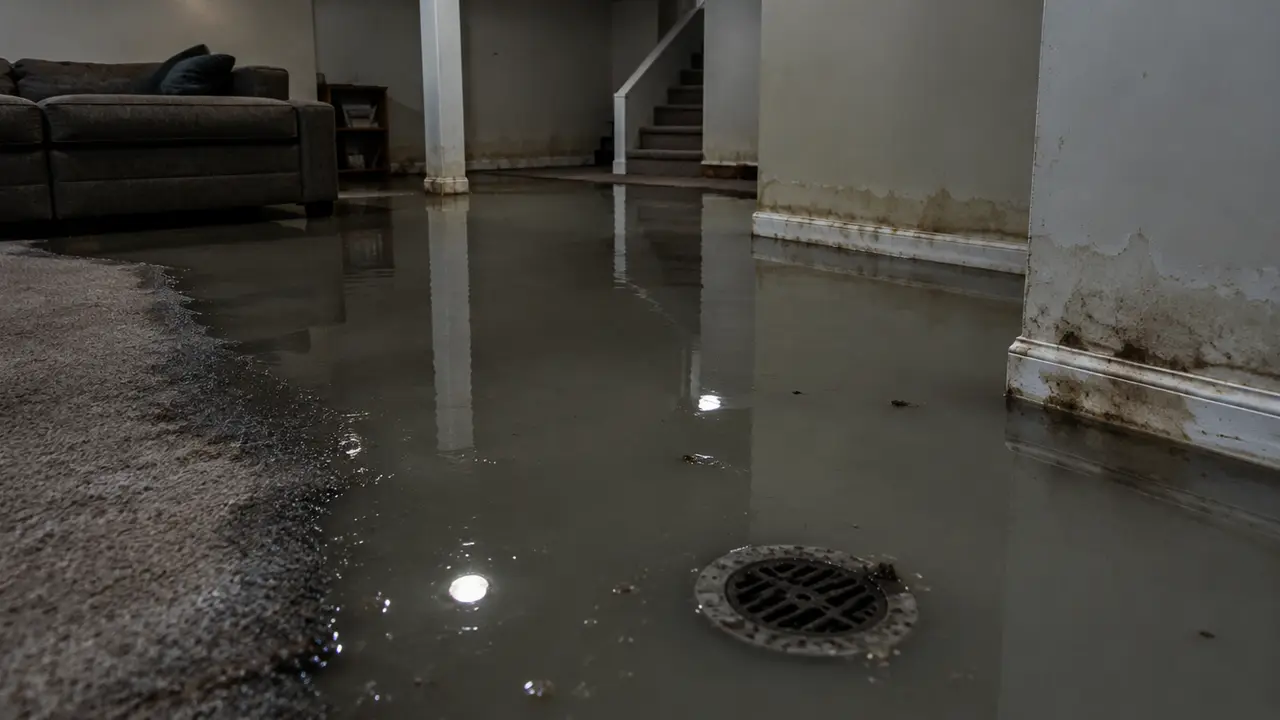
- Sewage in a floor drain is the most urgent symptom: stop all water use and get the line cleared.
- Several drains slowing at once points past the branches to the building drain or lateral.
- Odour and gurgling often start with a dry trap or a vent problem before they mean a broken pipe.
- A soft, sunken or unusually green strip over the line can mean a leak or break; keep off it.
- Clear first, camera second, repair method third — in that order.
01 /Which symptom needs action first?
Rank symptoms by what they can do in the next hour. Sewage coming up through a floor drain is a health and property problem right now. A sinking patch over the line can be a safety problem. Slow drains, gurgling and smells are warnings that give you time to arrange an inspection properly.
| Symptom | Safe first step | Next step |
|---|---|---|
| Sewage backing up in a floor drain | Stop using water, keep people and pets away, call for help clearing the line | Clear the line, then camera it before choosing a repair |
| Several drains slow at once | Limit water use; avoid chemical drain openers | Camera inspection to look for roots, offsets or a belly |
| Gurgling toilets or sewer odour | Check that floor-drain and other traps have water in them | If it persists, have the venting and the main line inspected |
| Wet or sunken patch over the line | Keep off the area | Camera plus locate to find a break or collapse — may point to excavation |
| Buying or selling a home | Ask for a sewer scope with video | Use the findings to scope any repair before closing |
| The same clog keeps coming back | Note dates and which drains | Camera after the next clearing, while the pipe is clean |
The first five rows are the advice this site has always given; the sixth is added because recurring clogs are the symptom most often treated for years with repeat clearing when a camera would have shown the cause the first time.
02 /Why does sewage come up through the floor drain first?
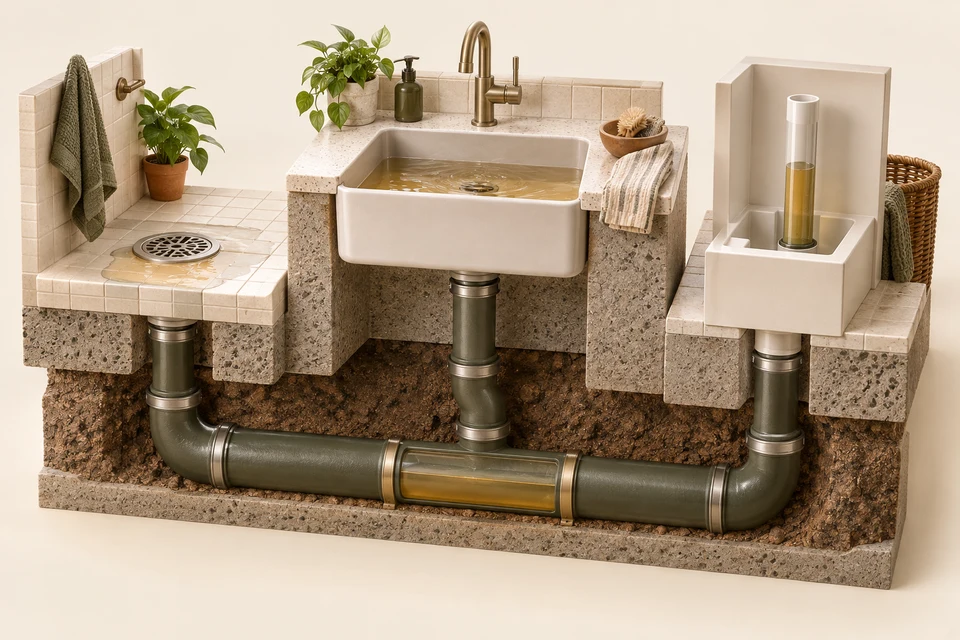
Because it is usually the lowest opening on the system. When the building drain or the lateral is blocked, every litre that goes down a sink, shower or toilet backs up the pipe until it finds the lowest way out, and in most Canadian houses that is the basement floor drain. The backup tells you the blockage is downstream of where the branches join; it does not tell you whether the cause is a wipe clog, a root mass, a collapse or a problem in the city main.
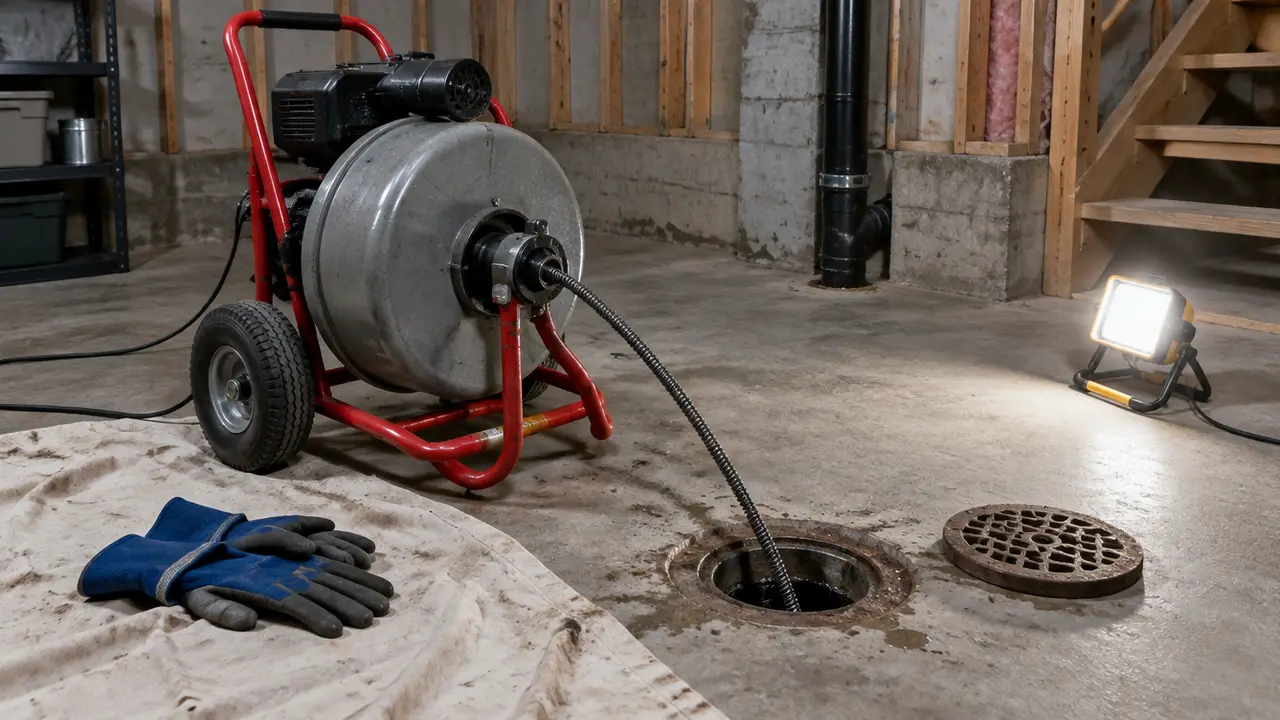
In Calgary, the City's sewage backup guidance says to call 311: the agent asks questions to decide whether you need a plumber for an internal problem or whether City infrastructure may be involved. Once the line is cleared, a camera run while the pipe is clean is the step that turns a backup into a diagnosis.
03 /What do slow drains and recurring clogs point to?
One slow fixture is almost always a local clog in its trap or branch. Several fixtures slowing together is different: the restriction is past the point where their branches meet, in the building drain under the floor or the lateral outside. Roots at joints, a belly where solids settle, an offset joint that catches paper, heavy scale in cast iron, or grease are the usual causes.
- Roots: clearing restores flow, but roots grow back through the same joint. Sealing the joint with a liner is what stops them.
- A belly: clears easily and refills; the pattern is a backup every few months. The fix is a dig at that section.
- An offset: catches solids at one distance on the camera counter. Minor offsets can often be lined; severe ones need exposing.
- Scale or corrosion in cast iron: descaling first, then a liner if enough wall remains.
Avoid chemical drain openers on a main-line problem. They rarely reach or clear a real blockage, they pool in the pipe, and they are a hazard to whoever opens the line next. Each of these causes leads to a different repair, which is why the camera matters; the trenchless fit checker sorts the options once you know what it found.
04 /What do gurgling and sewer smells mean?
Gurgling is air being pushed or pulled through water. A toilet that gurgles when a tub drains, or a sink that burps when the washer empties, often means the drain is partly blocked or the venting is not letting air in fast enough. A sewer smell indoors most often starts with a dry trap: a floor drain, basement shower or rarely used sink whose water seal has evaporated, letting sewer gas through.
Pour water into every rarely used drain first. If the smell or gurgling persists, have the venting checked and the main line inspected; a crack or a separated joint under the floor can release gas too. Sewer gas contains hydrogen sulphide, which smells of rotten eggs at low levels but deadens the sense of smell at higher ones, so a strong or sudden odour is a reason to ventilate, leave and call for help rather than investigate.
05 /What does a wet, sunken or green strip over the line mean?
A strip of lawn that stays soft, grows faster and greener than the rest, or begins to sink along the route of the sewer line can mean the pipe is leaking or broken below it. Leaking sewage feeds the grass and washes soil into the pipe, and over time that can leave a void. Keep people, pets and vehicles off the area.
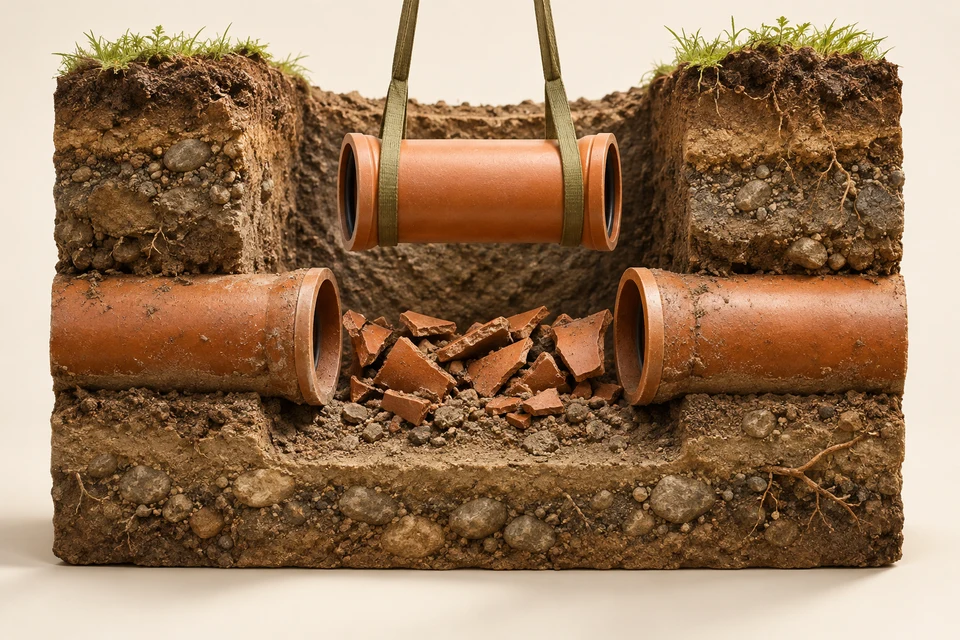
The next step is a camera run with a locate, so the fault can be matched to the spot on the surface. A break or collapse found this way often points to excavation at that section — trenchless methods cannot pass a collapse — though the rest of the line may still be lined. The reasoning is in when excavation is necessary.
06 /Why does the camera come before the repair method?
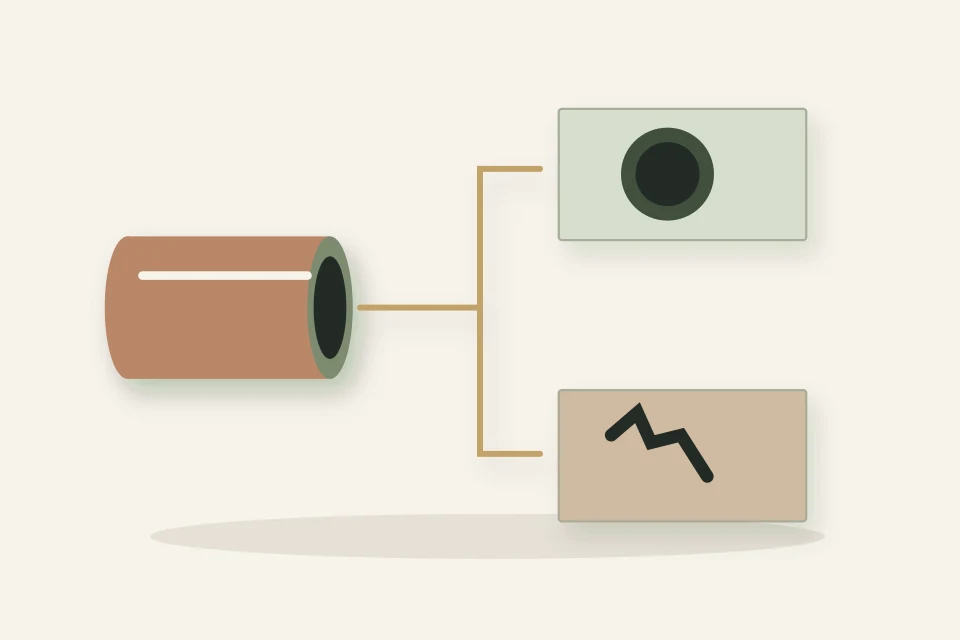
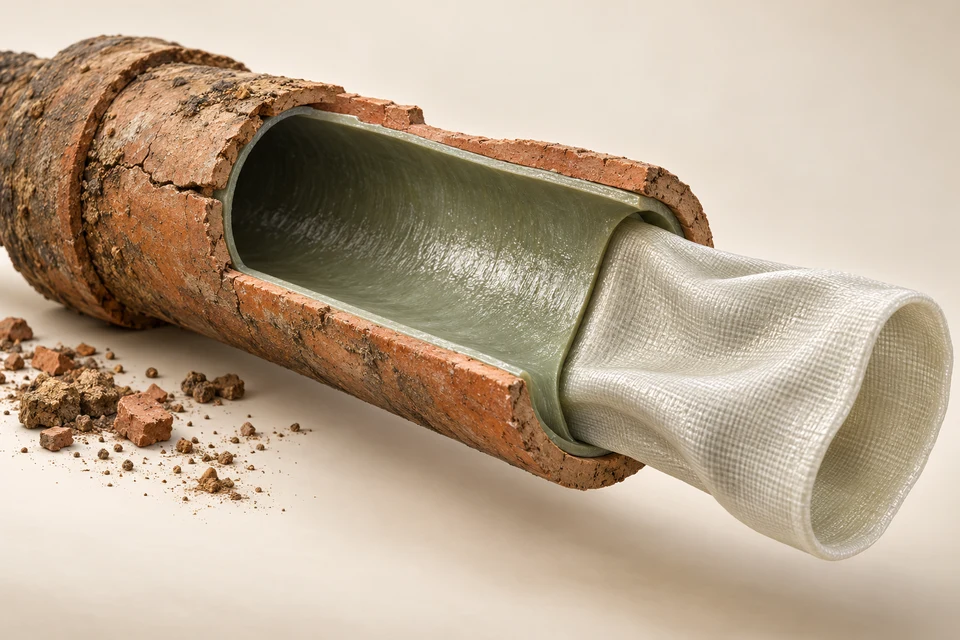
Because the symptom tells you where the trouble shows up, not what it is. The same backup can come from a wipe clog that needs nothing but clearing, a root joint that needs a sectional liner, roots at every joint that need a full liner, or a collapse that needs a dig. Choosing a method from the symptom alone is how people pay for the wrong repair.
- Clear the line
Restore flow safely; the cause is not fixed yet.
- Camera the line while it is clean
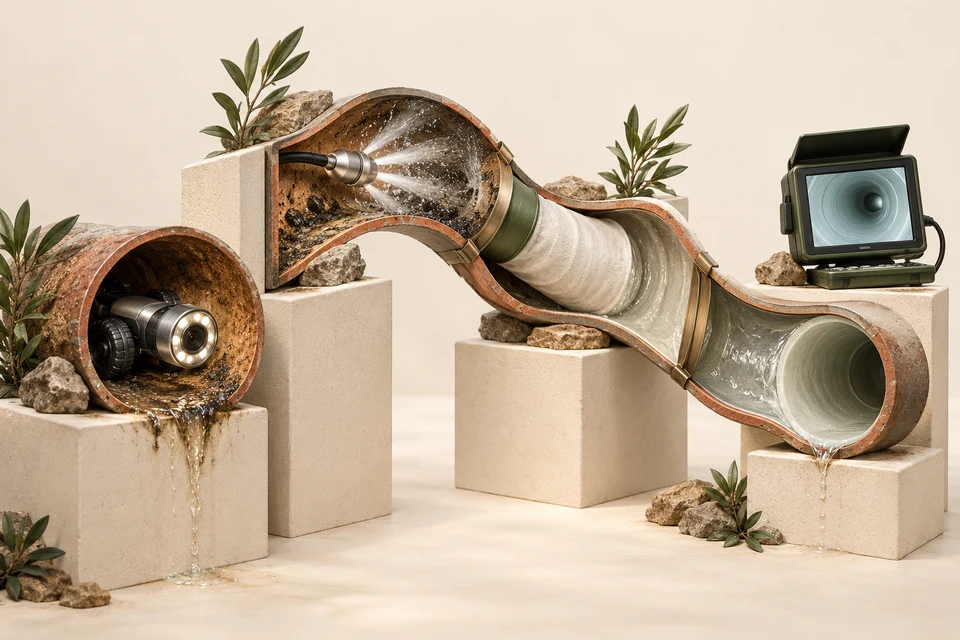
A recorded run from the cleanout to the main, with distances and a locate.
- Read the findings
Material, defects, grade and access, written down from the footage.
- Match a method
Run the fit checker, then price the shortlist with contractors who have seen the same video.
If the camera finds only one or two faults, Spot Repair or Full Liner? compares short liners with a full one. How the whole repair then unfolds is in how trenchless sewer repair works.
07 /What should I avoid doing myself?
HAUSE does not recommend DIY sewer repair. Sewage exposure is a health risk, sewer gas and confined spaces can be lethal, powered drain machines injure hands and arms, and municipal tie-in rules make much of the work non-compliant for anyone but a qualified contractor with the right permit.
- Do not use chemical openers on a main-line blockage.
- Do not open a cleanout under pressure or enter a pit or trench.
- Do not dig near the line without utility locates; in Alberta, request them through Utility Safety Partners at least three full working days ahead.
- Do not start cleanup of sewage-soaked porous materials without protection; follow public-health guidance and talk to your insurer first.
Calgary homeowners can read local context in the Calgary guide. When you have footage, or you are unsure what the symptoms mean, send the details to the HAUSE Sewer desk and it will reply with next steps.
FAQQuestions people ask
Why is only my basement floor drain backing up?
It is usually the lowest opening, so water from every other fixture comes out there when the line downstream is blocked. Stop all water use and have the line cleared.
Can a slow drain mean my sewer line is broken?
One slow fixture usually means a local clog. Several slow at once, or the same clog recurring, can mean roots, a belly, an offset or a break, which a camera will show.
What causes a sewer smell with no backup?
Most often a dry trap letting sewer gas through. Refill rarely used drains; if the smell persists, have the venting and the main line checked.
Should I call the city or a plumber first?
In Calgary, calling 311 lets the City work out whether it is an internal plumbing problem or may involve City infrastructure. Elsewhere, check your municipality's sewer backup page.
Do I need a camera inspection after the line is cleared?
If the backup was on the main line or keeps coming back, yes. Clearing restores flow; only the camera shows what caused the blockage and which repair fits.
NETWORKGo deeper across the HAUSE Sewer network
Signs of roots in your sewer line
Signs of roots in your sewer line: gurgling, slow floor drains, seasonal backups and what a camera shows. Ten symptoms ranked, plus how to confirm roots fast.
SewerCleaners.caIs sewer backup dangerous? Health risks, what it smells like and what it looks like
Is sewer backup dangerous? How sewage can make you sick, what sewer backup smells and looks like, when the smell is harmful, and who should stay away.
DrainAugering.caClog Locator: find the blockage before you pick up a cable
Use the Clog Locator to find where a drain clog sits (trap, branch, stack, main or lateral) and which auger class and cable size fits the pipe.